
REVIEW · ICE FISHING TOURS
Ruka: Ice fishing trip
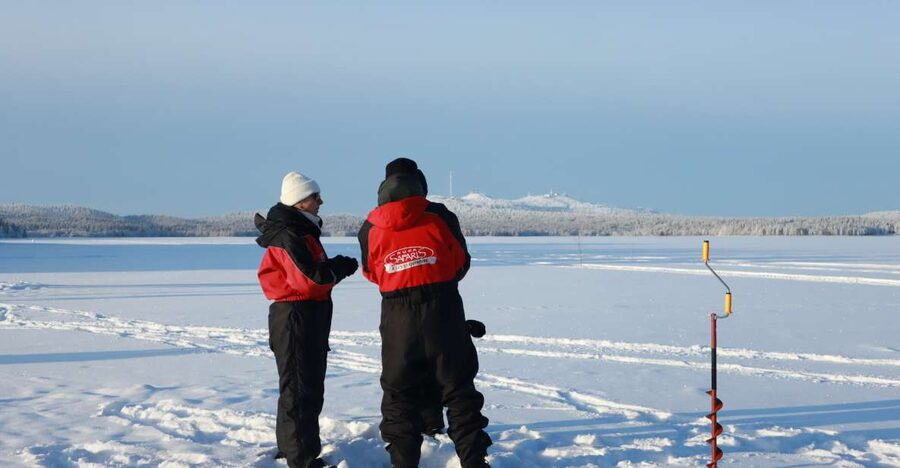
Ice fishing in Ruka turns a frozen lake into a real outing. You start with pilkki basics, then spend your time on the ice trying to catch as much fish as you can. It is a classic Northern Ostrobothnia pastime, done the local way, with a warm pause to reset.
I especially love that this is hands-on from the first minute. Your guide walks you through how to drill the hole and how the fishing rods work, so you are not stuck guessing outdoors in the cold. Second, the stop at the open fire is not a gimmick, it is part of the rhythm of the trip: coffee, tea, a small snack, and if you catch fish, help preparing it on the spot.
One consideration: the experience can feel a bit crowded if the group is large. And if you are meeting the pickup spot with GPS, do not assume your map pin will match perfectly where your guide is waiting.
Key highlights you will actually care about
- Short 3-hour block that fits easily into a Ruka winter day
- Pickup included from the Ruka area, with clearly defined meeting points and times
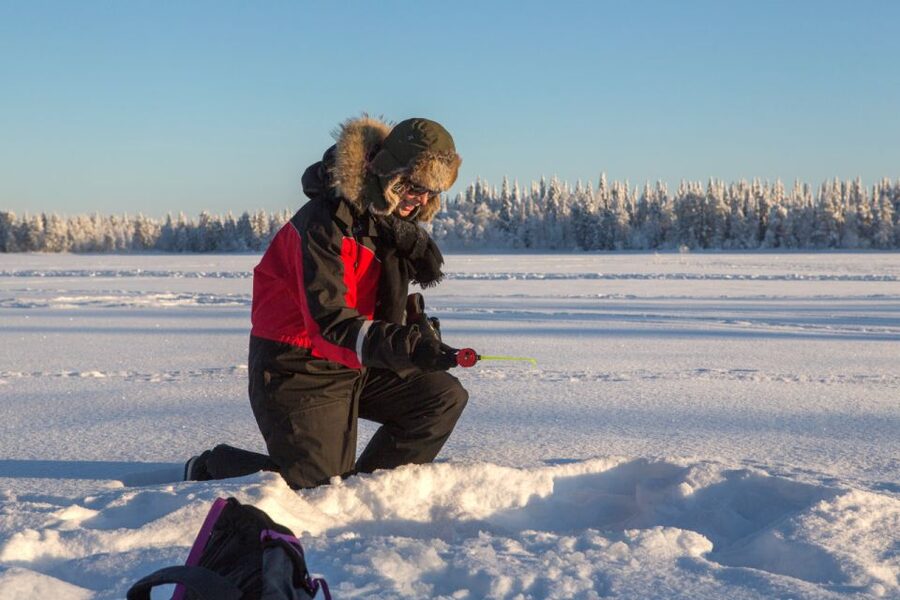
- On-ice instruction for drilling and using the rods, ideal for first-timers
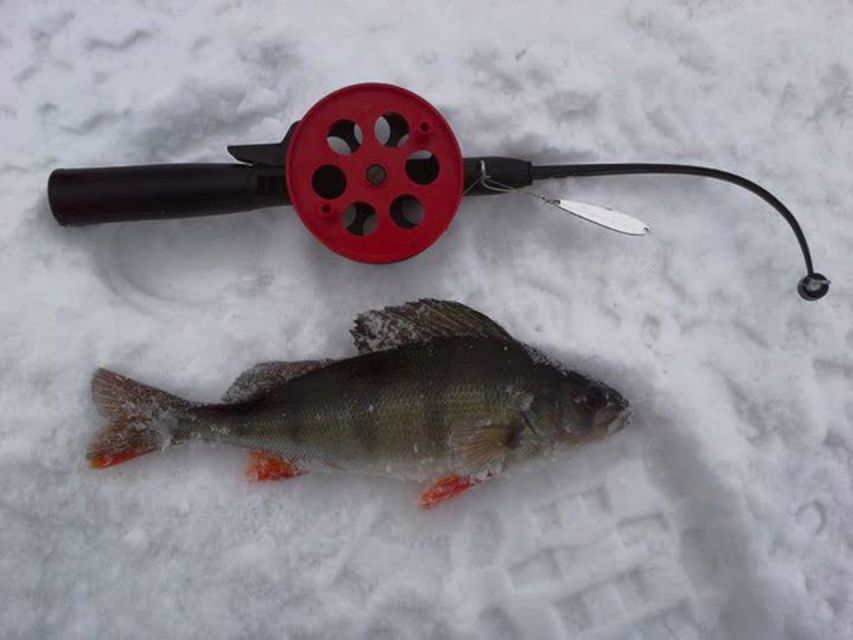
- Multiple possible fish species, including perch, whitefish, roach, pike, and grayling
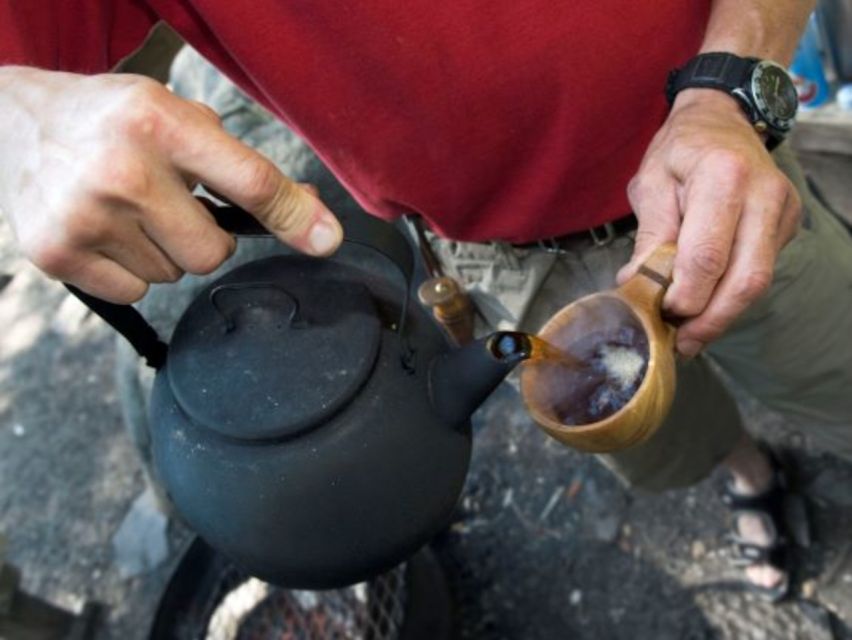
- Fire-side break with coffee, tea, and a snack, plus fish prep if you catch something
Other Arctic days out of Rovaniemi, if this one is not quite the trip:
- Ruka: Ice fishing trip
★ 4.9 · 14 reviews - Ruka: Riisitunturi National Park with lunch.
★ 5.0 · 8 reviews - Ruka: Cross-country skiing
★ 4.2 · 5 reviews
Ruka Ice Fishing, also called pilkki, in Northern Ostrobothnia
In Finnish, ice fishing is often called pilkki, and in Ruka it is not some rare, tourist-only activity. It is one of those locals-would-do-it-anyway hobbies, which is exactly why it feels authentic. You trade the ski-lodge scene for a frozen lake, silence, and the focus of a simple goal: get the line moving and see what comes up.
This is the kind of winter activity where the setting matters. You walk out onto the ice, drill a small hole, and then your attention narrows to the water below. That sounds small on paper, but it is surprisingly engaging. Even when the bite is slow, you are busy with tiny adjustments and learning the rhythm from your guide.
Your odds are tied to the lake and the day, but you might catch fish such as perch, whitefish, roach, pike, or even grayling. The important part is not only which species shows up, it is that your guide is prepared to help you work with what you get.
Timing and pickup: how the 3 hours fit your day
The trip runs 3 hours, starting at 10:15. Pickup from the Ruka area is included in the price, and you will be collected at one of several Skibus stops. The exact pickup time depends on which meeting point you select, and you will want to be ready a few minutes early.
Here are the pickup timing windows you should plan around:
- Ruka Village Skibus Stop: pickup at 9:45, activity starts 10:15
- Ruka Valley Skibus Stop: pickup at 9:55, activity starts 10:15
- Mastonaitio Skibus Stop: pickup at 10:00, activity starts 10:15
- Rukan Salonki Pick Up Point: pickup at 9:25, activity starts 10:15
That “arrive at pickup on time” line matters. One practical lesson from real-world confusion: some people found the meeting point hard to locate with GPS. If you want zero stress, check the pickup location before the day of the trip, then leave a buffer so you can find your guide without rushing.
If you are planning a tight itinerary, this timing is still friendly. You should be back with enough daylight left for dinner plans, a sauna visit, or a quick walk around Ruka Village.
Snowshoes to the lake: what the start feels like
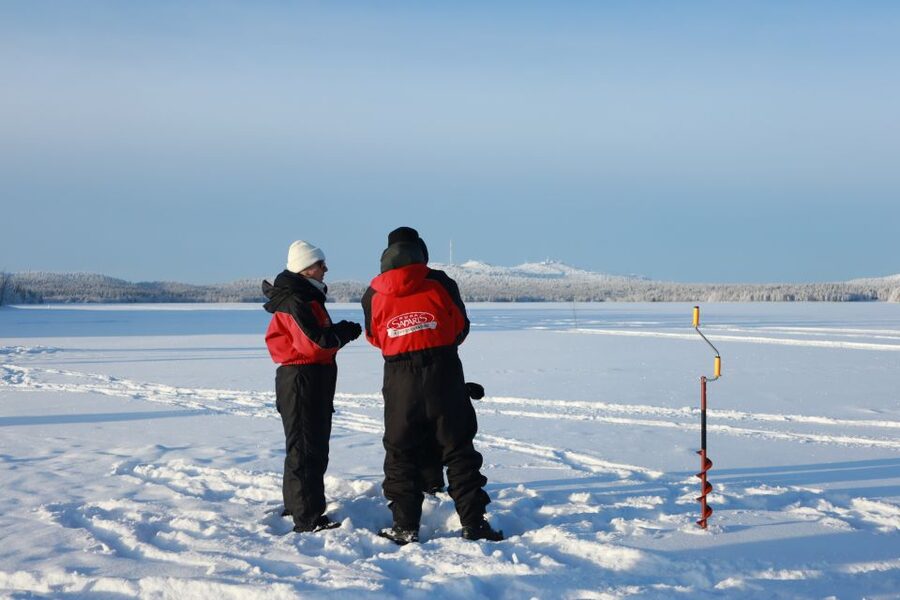
You will use snowshoes for a short walk to the frozen lake. That is a big deal for comfort and confidence. It keeps you from sinking into soft snow and helps you move steadily over the winter terrain.
Once you reach the lake, the guide’s job is to get everyone set up quickly. You will get explanations for drilling the hole and understanding how the rods work. For beginners, this is the difference between a fun outing and a frustrating one. You learn what to do and then you get real time to try it.
Dress for movement at the start. The first stretch is walking, then it shifts to sitting or standing near the hole. Your body cools down fast once you stop moving. If you have warm base layers and gloves you trust, you are already halfway to enjoying the experience.
Drilling the hole and using the rods like a pro
The drill part is straightforward but not something you should wing. The guide shows you how to do it, and they also explain how the rods operate. That guidance is valuable because ice fishing has a lot of tiny “do this, then watch that” moments.
You are aiming to catch as much fish as possible, but the real skill is staying attentive. You cannot multitask your way through pilkki. You watch for activity, follow what the guide says, and adjust based on how the bite feels.
If you have never ice-fished before, you will likely appreciate that the guide is there in-person. You are not stuck with a printed set of instructions and a cold lake. It is also a good social setup. In a group setting, you naturally learn faster by watching others, then getting your turn with the guidance.
One thing to remember: patience is part of the job. Even with instruction, you might not catch fish every trip. That is normal in winter fishing, and it does not mean you did anything wrong.
What fish you can hope for on the ice
This trip can offer a range of catches, including perch, whitefish, roach, pike, and grayling. The exact mix depends on conditions, but knowing the options helps you set expectations.
Try to think less about one trophy fish and more about learning the day’s pattern. Perch, for example, tends to be a common goal in many places, while other species might show up depending on water behavior and the local fish stock. Your guide’s experience with that specific lake is what turns you from a beginner into a participant who actually understands what to look for.
It also helps mentally to focus on the activity itself, not only the result. One clear theme from what people experience on these trips is that you can have a great time even if the catch is small. The lake setting, the on-ice instruction, and the warm break still make the outing worthwhile.
The open-fire break: coffee, tea, snack, and fish prep
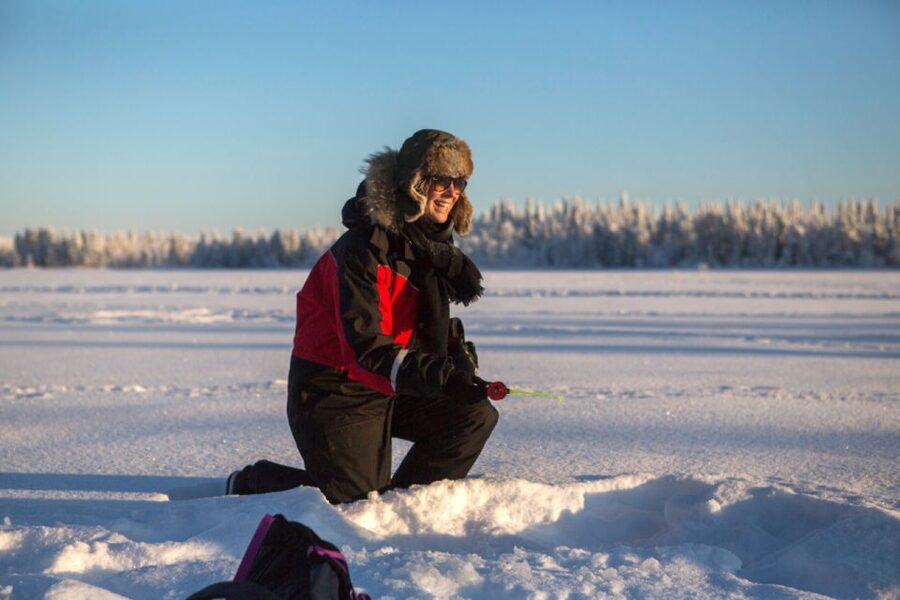
A big reason this trip has staying power is the break. After time on the ice, you shift to warmth around an open fire. You get coffee and tea, plus a snack to keep you from feeling wiped out.
If you caught fish, the guide shows you how to prepare it by the fire. That is more than a nice bonus. It turns “catching fish” into understanding what comes next, and it keeps the experience from ending when the last line goes back into the water.
Even if you do not catch fish that day, you still have that warm pause. In winter, this matters. It helps your body recover and lets you enjoy the rest of the trip without feeling chilled down to the bone.
Practical tip: keep your hands warm during the fishing portion, not only because you feel cold, but because you need finger control to handle gear and fish safely. If your hands lose feeling, everything slows down.
Price and value: what 111 dollars buys you
At $111 per person for a 3-hour trip, the value comes from three things you would otherwise need to piece together yourself. First is the guide, who handles drilling instruction and explains how the rods work. That cuts down on trial and error and makes the experience beginner-friendly.
Second is the included pickup from the Ruka area. In a place where winter conditions can turn “simple logistics” into a whole thing, transport planning is a hidden cost you avoid.
Third is the included warm break. Coffee, tea, and a snack are not the whole reason to go, but they do signal that this outing is designed as a proper winter session, not just a quick demo and off you go.
Is it a bargain compared to renting a pair of rods and doing it on your own? Not really. But if you want the experience to go smoothly, have local guidance on the ice, and still get a cultural winter pause by the fire, this price makes sense.
Who should book this Ruka ice fishing trip
I think this tour is a good fit if you:
- Want hands-on winter fun without needing prior ice-fishing knowledge
- Like short outings that do not eat your whole day
- Enjoy outdoor activities where the cold is part of the deal
- Prefer an English or Finnish-speaking guide who can explain what you are doing
It can also work well for groups of friends or couples, since the activity naturally creates a shared focus. Your group moves together, learns together, and takes the warm break together.
One more balanced note: if you dislike being in a larger group, be aware that ice fishing trips can vary in group size. You will still be guided, but the overall vibe depends on how many people are out on the ice with you.
What to wear: your real key to enjoying pilkki
The tour says to bring comfortable clothes. In practice, “comfortable” in Ruka winter means layered and warm, especially for your hands.
At minimum, plan for:
- Warm layers you can move in at the start
- Gloves that let you handle gear
- Something that keeps heat close to your body once you stop walking
Hands are the big one. If you have gloves that keep dexterity while staying warm, you will enjoy the fishing more. If you lose finger flexibility, you will feel the cold sooner and manage tasks more slowly.
Also, consider how you handle sitting near a hole in cold air. The longer you stay still, the more you will feel it through your clothes. Layering protects you against that slowdown.
Should you book Ruka Safaris ice fishing in Ruka?
Book it if you want a guided, local-style ice fishing session that includes pickup, practical instruction, and a proper fire-side break. The combination of learning drilling and rod use, trying for fish like perch and whitefish, and then warming up with coffee and tea is what makes this more than a quick winter photo stop.
Skip it only if you strongly dislike group settings or you know you get frustrated when the weather and fishing results are unpredictable. Ice fishing has no guarantee, and even with a great guide, sometimes the lake gives you fewer fish than you hoped for.
If your goal is to experience pilkki the way locals do, in a short 3-hour window, this is an easy choice.
FAQ
How long is the Ruka ice fishing trip?
The experience lasts about 3 hours.
What fish might I catch during pilkki?
You may catch perch, whitefish, roach, pike, or even grayling.
Is pickup included, and where do I meet the guide?
Yes, pickup from the Ruka area is included. Meeting points listed include Ruka Village Skibus Stop (Rukatunturintie 11), Ruka Valley Skibus Stop (Bistrotie 4), Mastonaitio Skibus Stop (Vuosselintie 5), or Rukan Salonki Pick Up Point (Salongintie 6). Your exact pickup time depends on which point you selected.
What language is the guide?
The live guide speaks English and Finnish.
What should I bring?
Wear comfortable clothes. You should also dress warmly for ice and cold conditions, especially for your hands.
What happens if the minimum number of people is not reached?
The program runs only if at least 4 persons join. You will be notified no later than 3 p.m. the day before if the program is cancelled.
More Tour Reviews in Ruka
- Ruka: SaunaTour – Finnish Sauna experience★ 4.8 · 10 reviews
- Ruka: Riisitunturi National Park with lunch.★ 5.0 · 8 reviews
- Ruka: Cross-country skiing★ 4.2 · 5 reviews
Further East: Ruka and Kuusamo
- Ruka: SaunaTour – Finnish Sauna experience★ 4.8 · 10 reviews
- Ruka: Riisitunturi National Park with lunch.★ 5.0 · 8 reviews
- Ruka: Cross-country skiing★ 4.2 · 5 reviews
Newest on the site from Ruka and the Lapland circuit
Ice Fishing Tours, one night after another.
 ★ 4.8Snowmobile and Ice Fishing Adventure with LunchFrom $222879 reviews
 ★ 4.5Ice Fishing ExperienceFrom $104379 reviews
 ★ 4.6Ice Fishing & Snowmobile Safari Combo DayFrom $190268 reviews
 ★ 4.9Levi: Snowmobile Safari with Ice Fishing and Outdoor LunchFrom $221195 reviews
 ★ 4.7Snowshoeing and Ice Fishing TourFrom $135190 reviews
 ★ 4.5Arctic Circle Ice Fishing ExperienceFrom $104101 reviews
 ★ 4.5Snowmobile and Ice Fishing ExperienceFrom $24087 reviews
 ★ 4.4ICE FISHING experienceFrom $10081 reviews
Lists this one sits on