

REVIEW · HIKING & TREKKING
Winter Trek
Silent forests feel like a time machine. This Inari winter trek turns a half day into quiet wilderness walking, wildlife-spotting potential, and a calmer kind of adventure with open-fire lunch. I particularly love the no-tracks, no-structures approach, and the fact the trek works even as daylight fades. The main consideration: you need to be comfortable outdoors for hours in winter conditions, and this is weather-dependent.
You’ll head deep into the forest guided by a friendly team, and you’ll move on snowshoes or modern skin-based forest skis depending on snow conditions. The goal is peaceful, untouched nature, not a photo stop parade. You might spot willow grouses in their snow-white look, grazing reindeer, or other animals and birds quietly going about their day.
When you return to the car, it may already be dark. That’s when the experience shifts into something else, with head torches used for safety as you walk under deep winter night skies. It’s a small-group outing too, max 12, so the pace stays human and the guide can actually keep an eye on everyone.
Key things that make this Winter Trek work
- Snowshoes or skin-based forest skis, chosen based on conditions
- Untouched wilderness in Inari, with no human-made structures or tracks
- Open-fire lunch on the go, or a camping stove plan if weather calls for it
- Head torches for dusk and darkness, so the forest stays safe and magical
- Wildlife-watching opportunities, including willow grouses and grazing reindeer
- Small-group feel, capped at 12 travelers
Other Arctic days out of Rovaniemi, if this one is not quite the trip:
- Guided Ice Climbing Activity in Pyhä
★ 5.0 · 149 reviews - Northern lights tour to Lake Inari from Ivalo, Reindeers & Dinner
★ 4.5 · 63 reviews - Northern Lights Auroras from Kemi-Tornio with Pickup
★ 4.5 · 44 reviews - Electric Fatbike Tour in the Pyhä-Luosto National Park
★ 5.0 · 41 reviews
Where Inari’s winter forest starts, and what 9:00 am means
You’ll meet at Xwander Nordic in Inari at 9:00 am, and the activity ends back at the same meeting point. A morning start matters here because winter daylight is short, and you’re scheduled for a return that could happen after dark. That timing is part of the appeal, not a compromise.
The meeting point also gives you a clean baseline before you head out. You’re not trying to navigate the forest first, then meet a group later. You’ll arrive, get oriented with the guide and then spend the bulk of the time walking through quiet snow.
For most people, the biggest “logistics win” is that you’re not doing a self-guided trek. The guidance is built into the experience, and it helps you relax enough to notice what’s around you.
Snowshoes or forest skis, and why the choice changes the whole day
This trek runs on snowshoes or modern skin-based forest skis, depending on snow conditions. That might sound like a small detail, but it changes how the walk feels under your feet, how stable it is, and how quickly you can settle into a steady rhythm.
Snowshoes tend to be the more straightforward choice if you want a classic winter walk feel. Forest skis can offer a smoother glide once you’re moving well, but the day becomes more “ski-leaning” in your body mechanics. Either way, the focus stays on quiet travel through the forest, not tricks.
One practical note for your decision-making: even if you’ve used snow gear before, conditions can vary quickly in Lapland. This is one reason the tour builds in flexibility. It’s also why I suggest you wear and pack like you’re going to be outdoors for a full half day, not a short walk.
Untouched forest walking, with no tracks to follow
The heart of this trek is getting deep into untouched winter wilderness in Inari. The plan is simple and powerful: no human-made structures, no tracked routes, just calm snow and forest stillness. That’s what makes it different from a “trail hike” where you mostly react to crowds and markers.
On a mid-winter day, forests can be extremely quiet. The sound changes when everything is covered, and the pace slows down naturally. You end up feeling the space around you in a real way, because you’re not constantly scanning for signs of civilization.
I also like that the tour does not sell itself as a wild scavenger hunt. The goal is peaceful movement and noticing what the forest is doing. If you catch sight of willow grouses, grazing reindeer, or other animals and birds, it feels like a bonus that belongs to the setting.
More to do with a short Arctic day

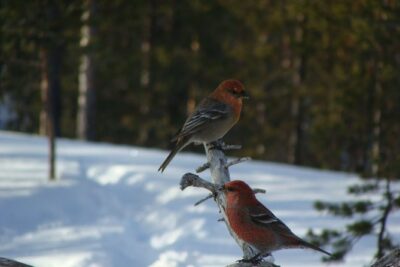

Wildlife spotting, without chasing it
Wildlife is always a maybe in winter. Here, the promise is specific enough to be interesting, but not so strict that you’ll feel misled if sightings are limited.
You might see willow grouses in their snow-white winter outfit. If you’re lucky, you may also spot grazing reindeer, plus other animals and birds roaming in the forest. The key is that the tour supports patient looking, not rushing.
A good tip for your wildlife mindset: keep your movements smooth and your pauses intentional. The forest is quiet, and sudden motion travels fast through still snow. If you spot something, give it a moment before you decide where to stand and how long to watch.
This is also a good time to trust your guide. A local, attentive guide is the difference between scanning randomly and actually noticing what matters.
Open-fire lunch on the go, and why it’s more than food
Lunch is part of the trek, not something you rush through at a restaurant. You’ll eat during the hike on an open fire or a camping stove, depending on the weather. Either way, it’s warm fuel in the middle of the quiet forest time, and that changes your energy for the second half of the walk.
I love this structure because it keeps the day cohesive. You’re not trekking for hours, then stopping your momentum to go find food somewhere else. Instead, the lunch feels like a natural rest point that still belongs to the wilderness setting.
There’s also a comfort factor. Being able to warm up and sit briefly means you’re less likely to feel cold-stiff and miserable when you start moving again. If you’ve ever done winter walks where you burn out after lunch, you’ll appreciate this built-in rhythm.
Just plan on being hungry. Even if you’re not a huge eater, winter walking tends to increase appetite fast.
Going back in the dark, with head torches for safety
When you head back to the car, it might already be dark. That’s not treated as a problem. It’s treated as part of the magic of mid-winter travel.
With safety provided by head torches, you can experience the forest in darkness. It’s an eerie-calm feeling when your surroundings shrink to what the light reveals, and the rest becomes deep black space. If you use your headlamp, you can create long shadows and a much more dramatic sense of distance.
A winter detail worth knowing: moving in low light can feel slower at first, even if your pace is steady. Your brain is working harder to interpret shapes in snow. Give yourself a few minutes to settle in, then focus on your breathing and foot placement.
If you’re the kind of person who loves atmosphere, this is the section you’ll remember. If you’re nervous about dark settings, I still think it can work, because the tour explicitly uses torches for safety and keeps the group guided.
Group size, guide style, and the difference between info and attention
This is a small-group experience with a maximum of 12 travelers. That matters more than it sounds. In a setting like the Inari forest, too-large groups create noise, slow the pace, and push wildlife further away.
Small groups also help the guide keep an eye on everyone in snow conditions. You’re more likely to get help early if someone is struggling, and the guide can adjust pacing without turning the day into a scramble.
The guide team is described as friendly, multilingual, and attentive. In one context connected to this kind of guided hiking experience in the same provider’s world, a guide named Ossi was highlighted as kind and experienced. You may meet someone like that, someone who can explain what you’re seeing and why the forest matters.
How to think about the $139 price for a 6-hour half day
The price is $139 for about 6 hours, and that includes a guided trek with lunch during the hike. In winter, the “real cost” of time is everything that goes into making the day safe and smooth outdoors. Local guidance, planning for snow conditions, and managing the return around daylight fading all add value.
Is it a bargain? It depends on your travel style. If you’re the kind of person who wants quiet nature with expert guidance, $139 starts to feel reasonable. If you’re hoping for a do-it-yourself adventure where you just need a map, then guided time costs more than you might expect.
I’d judge value by what’s included in your day: a full guided winter walk, structured stops, and a lunch that happens in the forest. That’s not just convenience. It keeps your time efficient and your experience coherent.
Also, the mobile ticket feature is a small modern perk. It helps you show up without dealing with printed vouchers in cold weather.
What to bring, so you don’t turn cold into the main character
The tour is designed for winter trekking in Inari, so your gear choices affect how much you enjoy the day. I can’t tell you what you’ll be provided, so treat this as a checklist for your own comfort.
Bring:
- Warm layers you can adjust, plus a hat and insulated gloves
- Winter boots with traction you trust in snow
- A headlamp, even if head torches are used, as a backup and comfort item
- A small daypack for water, snacks, and any extra warm layers
- Sunglasses or winter eyewear, because snow glare can be intense
When you’re packing, think about the two phases of the trek: daylight walking and possible dark return. You’re not just dressing for “cold,” you’re dressing for changing light, steady movement, and breaks around open fire or a stove.
Who this Winter Trek suits best
This experience is a strong fit if you want:
- Peaceful winter nature over a busy sightseeing route
- Guided walking in Inari’s forest, with a plan that includes lunch
- The chance to see wildlife, without pressure or chasing
- A small group, max 12, and attentive guiding
- A true winter-atmosphere moment when darkness arrives
It might be less ideal if you:
- Dislike being outdoors for around 6 hours in winter conditions
- Have limited mobility or struggle with snowy terrain for sustained periods
- Feel anxious about night walking, even with torches provided for safety
FAQ
How long is the Winter Trek in Lapland?
It runs for about 6 hours.
Where does the trek start in Inari?
It starts at Xwander Nordic, Ivalontie 12, 99800 Inari, Finland.
What time does it begin?
The start time is 9:00 am.
What equipment do you use on the hike?
Depending on snow conditions, you hike with snowshoes or modern skin-based forest skis.
Is lunch included?
Yes. Lunch is served on the go during the trek on an open fire or a camping stove, depending on the weather.
How big is the group?
The maximum group size is 12 travelers.
What happens if weather is poor?
The experience requires good weather. If it is canceled due to poor weather, you will be offered a different date or a full refund.
Can I cancel for a full refund?
Yes. You can cancel up to 24 hours in advance for a full refund, and cancellations within 24 hours are not refunded.
Should you book this Winter Trek in Lapland?
I think you should book it if you want a genuine winter forest experience in Inari, guided end-to-end, with lunch built into the trek and a memorable dark-forest return. It’s not about checking boxes. It’s about slow, quiet movement where you can actually notice what winter does to the world.
Book it with confidence if you can handle outdoor winter walking for around 6 hours and you’re excited by the idea of walking under head torches in deep mid-winter darkness. If cold weather and darkness make you uncomfortable, you might want to pick a different winter activity with a more daylight-heavy plan.
Filling a Short Arctic Day
- Classic Wilderness Skiing in the Pyhä-Luosto National Park★ 5.0 · 23 reviews
- Explore Winter Woods: Snowshoe walk with local Biologist★ 5.0 · 22 reviews
- Winter Fatbiking in Ivalo (2 hours)★ 4.5 · 8 reviews
- Premium Wilderness Skiing in Pyhä-Luosto National Park★ 5.0 · 4 reviews
More Tour Reviews in Lapland
- Guided Ice Climbing Activity in Pyhä★ 5.0 · 149 reviews
- Northern lights tour to Lake Inari from Ivalo, Reindeers & Dinner★ 4.5 · 63 reviews
- Northern Lights Auroras from Kemi-Tornio with Pickup★ 4.5 · 44 reviews
- Electric Fatbike Tour in the Pyhä-Luosto National Park★ 5.0 · 41 reviews
- Snowmobile Safari to Lake Inari, meet & feed Reindeers, Lunch★ 5.0 · 34 reviews
Newest on the site from Lapland and the Lapland circuit


Hiking & Trekking, one night after another.
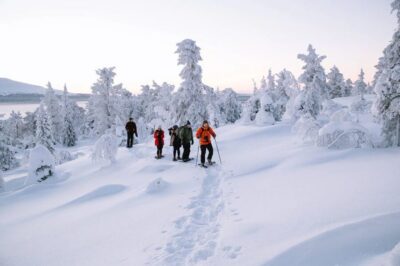 ★ 4.4Hiking and Snowshoeing Adventure in LaplandFrom $104753 reviews
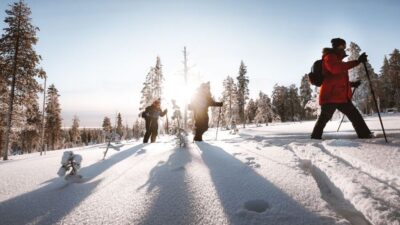 ★ 4.7Lapland Ski Trekking SafariFrom $128224 reviews
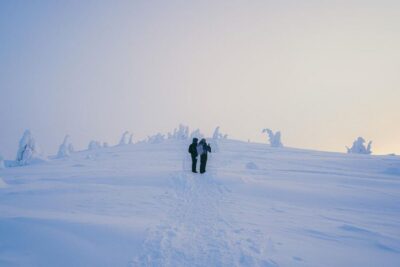 ★ 5.0Hiking in Riisitunturi National Park with PhotographerFrom $222114 reviews
 ★ 4.9Korouoma Frozen Waterfalls Hike & Hot BBQ LunchFrom $14090 reviews
 ★ 5.0Hike to Frozen Waterfalls of Korouoma Including BBQ Lunch from RovaniemiFrom $10884 reviews
 ★ 5.0Korouoma Canyon Frozen Waterfalls Hike & Private Teepee BBQFrom $18280 reviews
 ★ 5.0Rovaniemi Korouoma Canyon Hike and Barbecue ExperienceFrom $16769 reviews
 ★ 4.7Vikaköngäs Forest Hiking TourFrom $12341 reviews
Lists this one sits on